

For Kansas business owners, creating a welcoming and inclusive environment is not only ethical but also legally mandated. The Americans with Disabilities Act (ADA) sets forth specific guidelines for signage to ensure accessibility for individuals with disabilities. Understanding and adhering to these key design requirements for ADA signs is crucial for compliance and for providing equal access to your commercial space.
Visual and Tactile Accessibility: Ensuring Legibility and Comprehension for Diverse Users
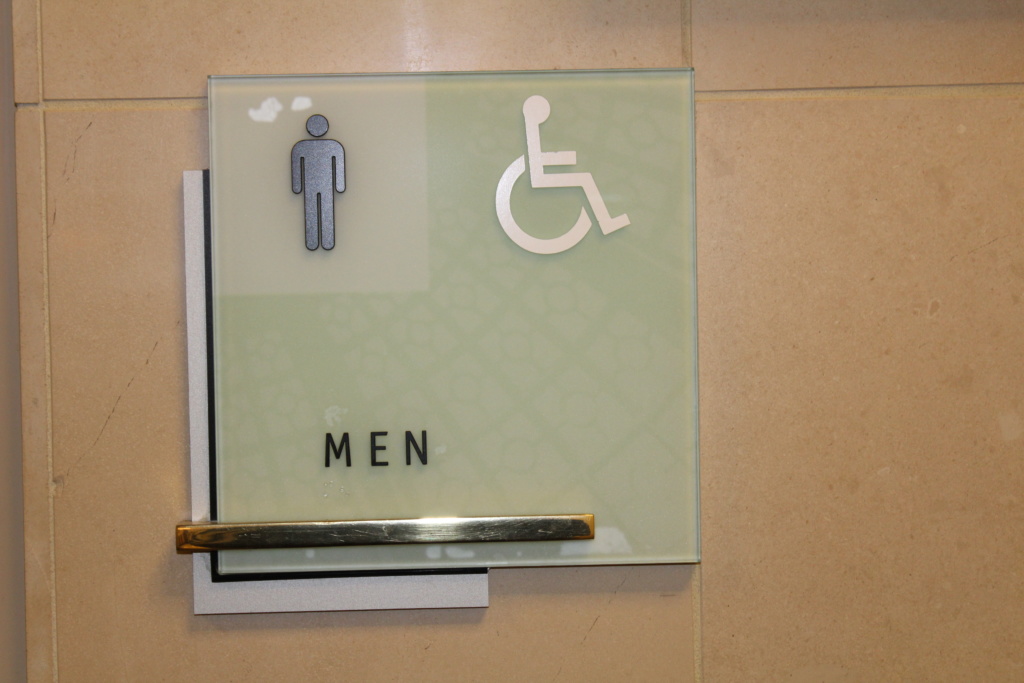
The ADA guidelines for ADA signs address both visual and tactile elements to accommodate a wide range of needs. Signs must have high contrast between the text and background. Non-glare finishes are essential to enhance readability under various lighting conditions. The font used must be sans serif and of a specific, easily legible size, depending on the viewing distance. This ensures that individuals with low vision can effectively read the necessary information.
Beyond visual cues, ADA signs also incorporate tactile elements for individuals who are blind or have low vision. This primarily involves the use of Grade 2 Braille for permanent room designations and other crucial information. The Braille must be positioned consistently and meet specific size and spacing requirements. Raised characters and pictograms (where used) provide another tactile means of conveying information. These tactile elements must also adhere to precise height, stroke thickness, and spacing guidelines to ensure accurate interpretation.
ADA Signs Material and Finish Considerations: Balancing Durability with Regulatory Compliance
The selection of materials and finishes for ADA signs in Kansas commercial spaces involves a balance between durability, aesthetics, and regulatory compliance. While the ADA doesn’t dictate specific materials, the chosen materials must be non-glare to optimize visual accessibility. Matte or low-sheen finishes are generally preferred over glossy surfaces that can create distracting reflections.
Durability is also a key consideration, especially in high-traffic commercial environments. ADA signs should be able to withstand regular use and cleaning without degradation of the visual or tactile elements. Common materials include acrylic, metal, and rigid plastics, chosen for their longevity and ability to accommodate both print and tactile features. The mounting of ADA signs is also regulated, with specific requirements for height and location to ensure they are easily locatable and accessible to everyone. Compliance with these material and mounting standards ensures that your ADA signs not only meet legal requirements but also serve their intended purpose effectively for all users.
Ensuring your Kansas commercial space is accessible requires careful attention to the design and installation of ADA signs. By prioritizing both visual and tactile accessibility, along with appropriate material choices and finishes, you can create an inclusive environment that welcomes all customers and complies with federal regulations.
Need to ensure your Kansas business signage meets all ADA requirements? Reach out to us today for expert guidance and high-quality ADA signs that prioritize accessibility and compliance.