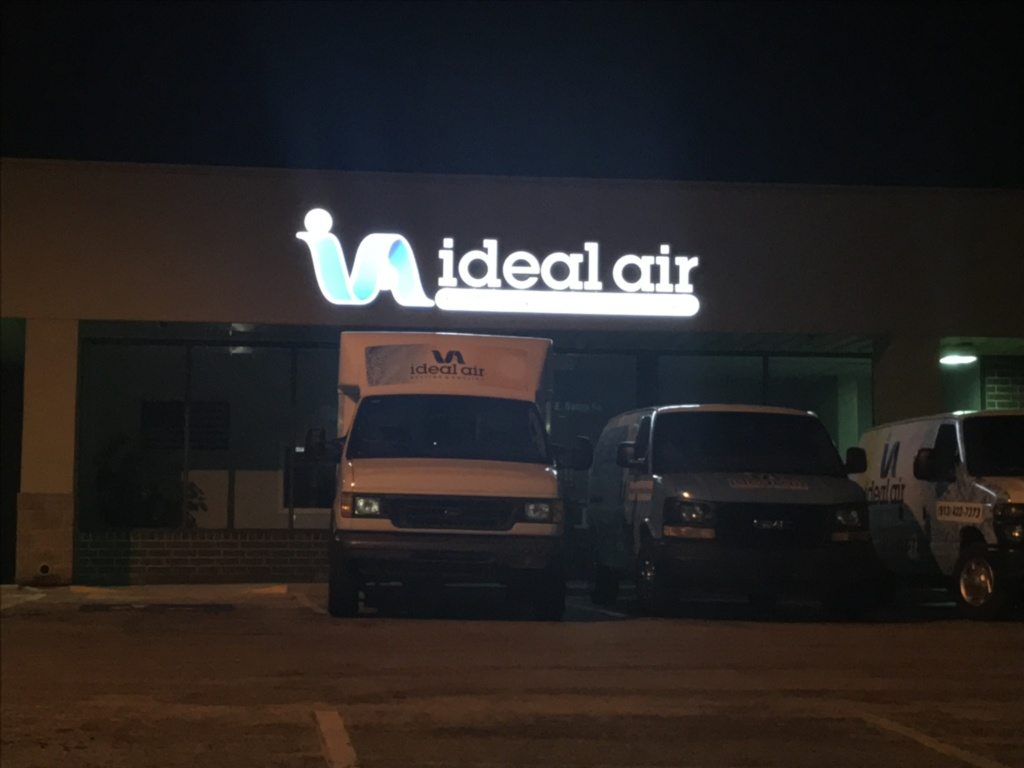
For most businesses, LED lighted signs are the better choice because they typically use less energy, last longer, need less maintenance, and perform reliably in both hot and cold weather. Traditional illuminated signs, such as neon and fluorescent, still have a place for certain styles, but LEDs offer the best overall value for most Kansas storefronts.
If you are designing a new sign or deciding whether to upgrade an older one, understanding the differences between LED and traditional lighting can help you make a smart long-term investment.
How Do LED Lighted Signs Compare With Traditional Lighting in Energy Efficiency and Maintenance?

LED lighted signs generally use less electricity and require fewer repairs than traditional neon, fluorescent, or incandescent lighting. LEDs are solid-state components with long service lives, while traditional systems rely on tubes, bulbs, and ballasts that wear out more often.
LED Lighting
- Energy use: Typically lower than neon or fluorescent for similar brightness.
- Lifespan: Long-lasting modules reduce replacement frequency.
- Durability: No fragile glass tubes, making LEDs more resistant to vibration and impact.
- Temperature performance: Works well in both summer heat and winter cold.
- Design flexibility: Available in many colors and can create even, bright illumination.
Fluorescent Lighting
- Common in older cabinet signs and lightboxes.
- Uses more energy than LEDs and requires regular lamp replacement.
- Can dim, flicker, or struggle to start in cold temperatures.
- Ballasts eventually fail and need replacement.
Neon Lighting
- Offers a distinctive, classic glow that some brands love.
- Uses glass tubes that can break and require specialized repair.
- Operates with high-voltage transformers.
- Generally uses more energy than LEDs.
Maintenance Comparison
LED signs typically need fewer service calls because modules last longer and there are fewer fragile parts. Power supplies may eventually need replacement, but overall maintenance is usually lower than with fluorescent or neon systems. For tall signs that require lifts to service, fewer maintenance visits can mean meaningful savings.
What Factors Should Businesses Consider When Choosing Between LED and Traditional Illuminated Signs?
Consider upfront cost, long-term operating costs, desired appearance, maintenance access, local regulations, and whether you are building new or retrofitting an existing sign.
Key Decision Factors
- Budget: LED signs may cost more upfront in some cases, but lower energy and maintenance costs often offset the difference over time.
- Look and brand style: Neon offers a classic glow that suits certain retro or specialty brands. LED neon-style products can mimic that look with less maintenance.
- Sign type: Channel letters, cabinet signs, monument signs, and digital displays commonly use LEDs today.
- Maintenance access: Signs mounted high on buildings or poles benefit from long-lasting LEDs that need fewer service visits.
- Weather: Kansas temperature swings favor LEDs, which perform reliably in heat and cold.
- Local codes: Some cities regulate brightness, light trespass, and hours of illumination. Electrical permits and inspections typically apply to illuminated signs.
- Retrofit vs. replace: Many older fluorescent cabinet signs can be retrofitted with LED modules, keeping the existing structure.
When Traditional Lighting May Still Make Sense
Traditional neon may be preferred for vintage or artistic signage where authenticity matters. In most other cases, LED lighting provides a more practical and cost-effective solution.
Can Existing Signs Be Converted to LED Lighted Signs?
Many fluorescent cabinet signs and older channel letters can be retrofitted with LED modules and new power supplies. A retrofit can improve brightness consistency and reduce energy use without replacing the entire sign. A sign professional can inspect your sign to determine whether a retrofit or replacement makes more sense.
Common Mistakes to Avoid
- Choosing lighting based only on upfront price
- Using low-quality LED components that fail early
- Making signs too bright for local ordinances or nearby residences
- Skipping permits for electrical work
- Ignoring maintenance needs for hard-to-reach signs
Light Up Your Business With Prairie Fire Signs
For most Kansas businesses, LED lighted signs offer better energy efficiency, lower maintenance, and more reliable performance than traditional illuminated signs. Traditional neon still has its place for specialty designs, but LEDs are the practical choice for most storefronts, monuments, and pylon signs. Evaluating your budget, style, maintenance access, and local codes helps you choose the right lighting for your sign.
Prairie Fire Signs & Graphics designs, fabricates, installs, and permits illuminated signs for Kansas businesses. Explore our Illuminated Signs or contact us to discuss your options.
Frequently Asked Questions
How long do LED lighted signs last?
LED sign modules typically last significantly longer than fluorescent lamps or neon tubes, though exact lifespan depends on quality, operating hours, and heat. Power supplies often need replacement before LEDs. Routine maintenance helps extend the life of the entire system.
Are LED lighted signs brighter than neon?
LED signs can be designed to be very bright and evenly lit, and brightness can often be adjusted or dimmed. Neon has a softer, distinctive glow. The right choice depends on your desired look, visibility needs, and any local brightness regulations.
Do LED lighted signs work in cold weather?
Yes. LEDs perform well in cold temperatures and do not have the dimming or slow-start issues fluorescent lamps can experience. This makes LEDs a reliable choice for Kansas winters and cold snaps.
Is it worth converting an old sign to LED?
Often, yes. Converting fluorescent or neon signs to LED can lower energy use and maintenance costs while improving brightness consistency. The value depends on the sign’s condition and how much life the structure has left. A sign professional can help evaluate your options.